King tides in Miami ran through six forecast windows this fall, from Sept. 10 to Nov. 26, according to the City of Miami and Miami-Dade County, with the peak days in October. King tides are the highest predicted high tides of the year. They usually last about three hours, and in low-lying parts of Miami and Miami Beach the water can top seawalls, back up through storm drains and spread across streets even on a sunny day.
The official fall calendar is now behind us, but tidal flooding is not over for the year. WSVN reported that one more king tide cycle is expected in late December, from Dec. 22 to 27. Below are the 2026 dates, how to read a tide forecast for your block, and what to do when water starts rising.
In this story
The 2026 calendar of king tides in Miami
| Window | Note |
|---|---|
| Sept. 10 to 13 | |
| Sept. 26 to 30 | |
| Oct. 7 to 13 | Peak tide days |
| Oct. 24 to 30 | Peak tide days |
| Nov. 6 to 9 | Full moon |
| Nov. 23 to 26 | New moon |
| Dec. 22 to 27 | Additional cycle reported by WSVN |
The fall dates come from the South Florida Water Management District forecast published by Miami-Dade County and the City of Miami. Miami Beach publishes the same windows for its October and November cycles.
Why king tides in Miami flood streets
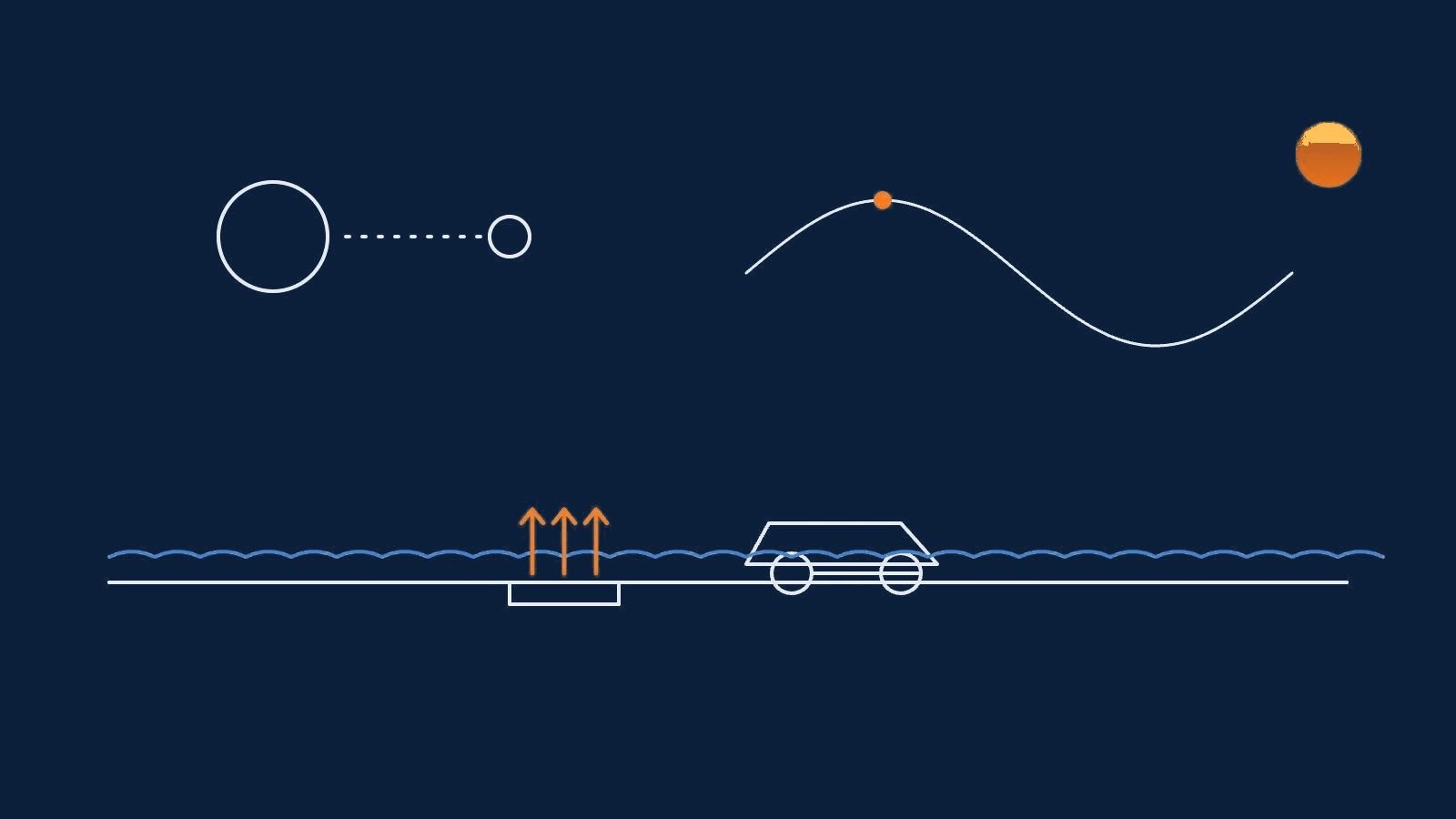
King tides are the highest predicted high tides of the year. Scientists call them perigean spring tides: they happen when a new or full moon lines up with the moon’s closest approach to Earth, so the combined pull of the moon and sun is at its strongest. Miami-Dade County notes that they occur in both spring and fall, but in South Florida the fall cycles do the most damage because they coincide with seasonally higher sea levels and frequent rain.
Because they follow the moon, king tides in Miami are predictable months in advance. That is why the South Florida Water Management District can publish the dates in spring, and why cities can prepare pumps and warn residents ahead of time. What is less predictable is the weather on top: onshore winds, a passing storm or heavy rain can push water higher than the tide tables alone suggest.
Where flooding shows up first
During king tides in Miami, flooding concentrates in the lowest streets, especially on the bay side of barrier islands and along waterways, where water can push up through storm drains even when no rain is falling. In Miami Beach, the city compares tide predictions with its own elevation data to anticipate which low-lying areas will flood, and readies its pump stations before each cycle. Miami-Dade County points residents to the NOAA Sea Level Rise Viewer to see which neighborhoods sit lowest.
| Sign | What it means |
|---|---|
| Water bubbling up from storm drains on a dry day | Tide is above the drain outfalls; flooding will rise until the peak |
| Salt crust or white residue on low streets after the water recedes | The street floods with seawater at high tide |
| Puddles that appear and vanish at the same time each day | Tidal flooding, not rain; check the next high tide |
| Standing water lasting well after the high tide | Drainage problem; report it to your city |
Protecting your car from salt water
During king tides in Miami, the floodwater is salt water, and driving through it is one of the fastest ways to damage a car. Salt corrodes brake lines, the underbody and electrical connectors, and the damage may not show until weeks later. If you cannot avoid a flooded street, drive slowly to avoid a wake, and rinse the underside of the car with fresh water as soon as possible afterward. Better still, move the car to higher ground or into a garage before the high tide, using the times in our home page panel. Tidal water typically rises and falls over about three hours around the peak, so a short move before the high tide usually means the car can come back the same day, once the street has drained.
- Do not park overnight on streets that flooded during the previous cycle.
- Garages are safer than surface lots in low areas; in Miami Beach and the City of Miami many city garages offer daily or monthly rates, listed in our parking in Miami guide and South Beach guide.
- Check your auto policy: flood damage to a car is usually covered only under comprehensive coverage.
Reading the tide numbers in Miami Today
The Miami Today panel on our home page shows the next high and low tides at NOAA station 8723214, Virginia Key, in feet above mean lower low water, the average of the lowest daily tides. Higher numbers mean higher water. Compare a coming high tide with the peaks during the October king tide days, and watch the weather forecast: rain and onshore wind on top of a high tide are the combination that floods streets.
How to read the tide forecast for your street
- Check the next high tide times for Virginia Key in the Miami Today panel on our home page, which pulls live NOAA predictions.
- Flooding is most likely around the peak: Sunny Isles Beach advises that king tide effects can be seen about 1.5 to 2 hours before and after the predicted high.
- Rain on top of a king tide makes street flooding worse, because storm drains cannot empty while the sea is high.
- Use the NOAA Sea Level Rise Viewer, recommended by Miami-Dade County, to see which neighborhoods sit lowest.
What to do when the water rises
- Do not walk or drive through floodwater. Tidal water is salt water: it corrodes cars and can carry sewage.
- Move parked cars to higher ground or a garage before the high tide, not during it.
- Report flooding in the City of Miami by calling 311 or through the ISeeChange app, as the city recommends.
- In Miami Beach, the city readies its pump stations before each king tide window.
Avoid walking or driving through floodwater, keep vehicles away from areas prone to flooding, and stay aware of changing conditions.
City of Miami king tide safety advice, miami.gov/kingtide
Who to call when king tides in Miami flood your street
| Where you live | How to report flooding |
|---|---|
| City of Miami | Call 311 or use the ISeeChange app, as the city recommends |
| North Miami | North Miami Public Works, 305-895-9878; the city lists NE 124th St. in Keystone, NE 125th St. near NE 15th Ave. and NE 135th St. east of Biscayne Blvd. among spots that flood |
| Unincorporated Miami-Dade | Miami-Dade 311, online or by phone |
| Any emergency, including a stalled car in rising water | 911 |
Reports matter beyond the moment: cities use them to map chronic flooding and prioritize drainage, pump and road-raising projects. Photos with a time stamp and location, taken near the predicted high tide, are the most useful.
What comes after the fall season
King tides in Miami also return in spring, though they usually cause less flooding than the fall cycles. Beyond the named king tide windows, ordinary high tides during new and full moons, combined with rain and wind, can still push water into the lowest streets at any time of year. The safest habit is simple: before parking overnight or driving through a low neighborhood, glance at the next high tide and the rain forecast in Miami Today.
King tides and your flood zone
King tide flooding happens in places that are not always mapped as high-risk flood zones, because FEMA maps focus on storm floods. If your street floods at high tide, it is worth checking your home’s official zone with our flood zone check and asking an insurance agent about coverage, since standard homeowners policies generally exclude flooding.
FAQ
When are the king tides in Miami
In 2026 the fall windows were Sept. 10 to 13, Sept. 26 to 30, Oct. 7 to 13, Oct. 24 to 30, Nov. 6 to 9 and Nov. 23 to 26. WSVN reported another cycle expected Dec. 22 to 27.
How long does king tide flooding last
King tides typically last about three hours around the predicted high tide.
How do I report king tide flooding in Miami
In the City of Miami, call 311 or use the ISeeChange app.
Why are they called king tides
King tide is the popular name for a perigean spring tide, the highest predicted high tide of the year, which occurs when a new or full moon coincides with the moon being closest to Earth.
Does salt water damage cars
Yes. Salt water corrodes brakes, the underbody and electrical parts. Avoid driving through tidal flooding, and rinse the underside of the car with fresh water if you do.
Read also
Sources: City of Miami, King Tides; Miami-Dade County, Weather Ready: King Tides; City of Miami Beach, King Tides; City of Sunny Isles Beach, King Tides; WSVN 7News; NOAA Tides and Currents.